Process Simulation & Optimization – Background
Industrial phosphoric acid production is one of the most complex chemical processes, involving multiphase reactions, crystallization, and separation steps. Traditional empirical models often fail to capture nonlinear interactions, leading to high costs and inefficiencies.
To address this challenge, Optivion Engineering developed a hybrid modeling and optimization framework that integrates advanced simulations with AI-driven analytics.
Solution
To meet the strict requirements of the pharmaceutical and biotech industries, Optivion Engineering implemented a structured end-to-end validation and compliance framework. Our solution combined technical expertise, GMP knowledge, and regulatory alignment to ensure safe, compliant, and cost-efficient operations. The framework was designed not only to meet Annex 1, ATEX, and FDA 21 CFR Part 11 requirements but also to provide full audit-readiness and long-term operational reliability.
By integrating advanced simulation methods with practical industrial expertise, we enabled faster decision-making, improved process control, and reduced operational risks. This holistic approach ensured that both equipment and processes met the highest standards of quality and performance while remaining cost-effective and scalable for future expansion.
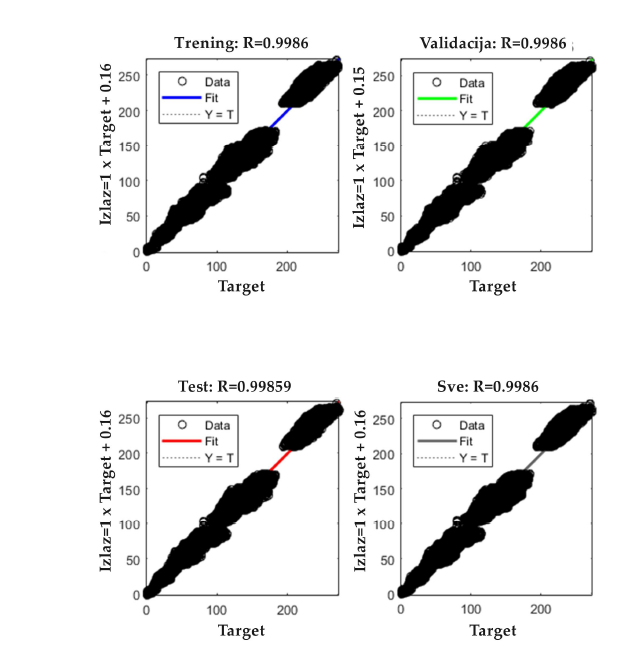
“The hybrid simulation–ANN–GA framework enabled highly accurate prediction of process performance and identification of optimal production parameters. By combining mechanistic modeling with data-driven intelligence, the approach reduced costs by up to 15%, improved energy efficiency, and provided a robust foundation for sustainable scale-up.”
📌 Aspen Plus® Simulation
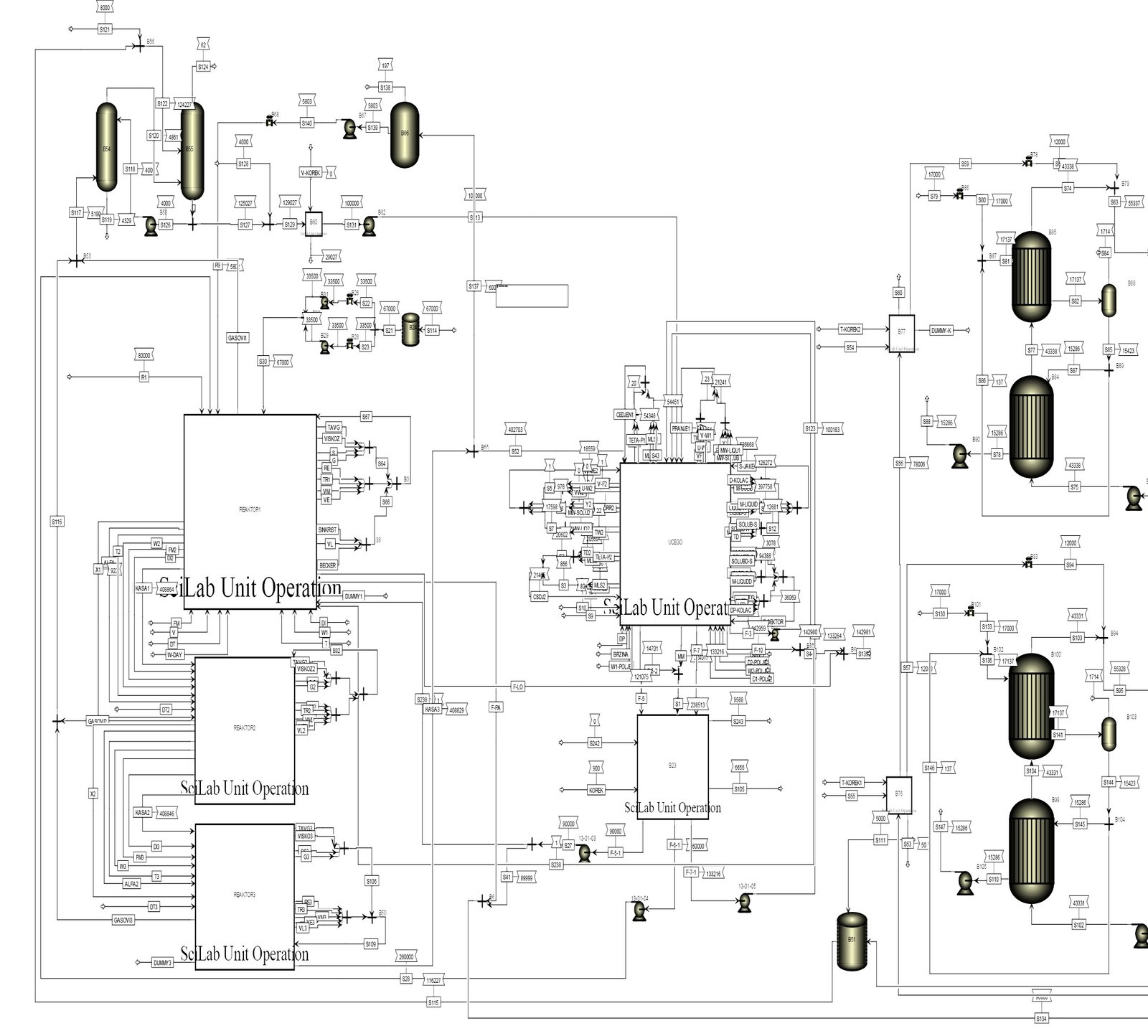
– Developed detailed process flowsheets for phosphoric acid production, including reactors, crystallizers, and absorption columns.
– Conducted energy and process efficiency analysis to identify cost-saving opportunities and optimize thermal integration.
📌 SciLab CAPE-OPEN Custom Units
– Designed custom modules (e.g., UCEGO© filter) for accurate representation of industrial separation.
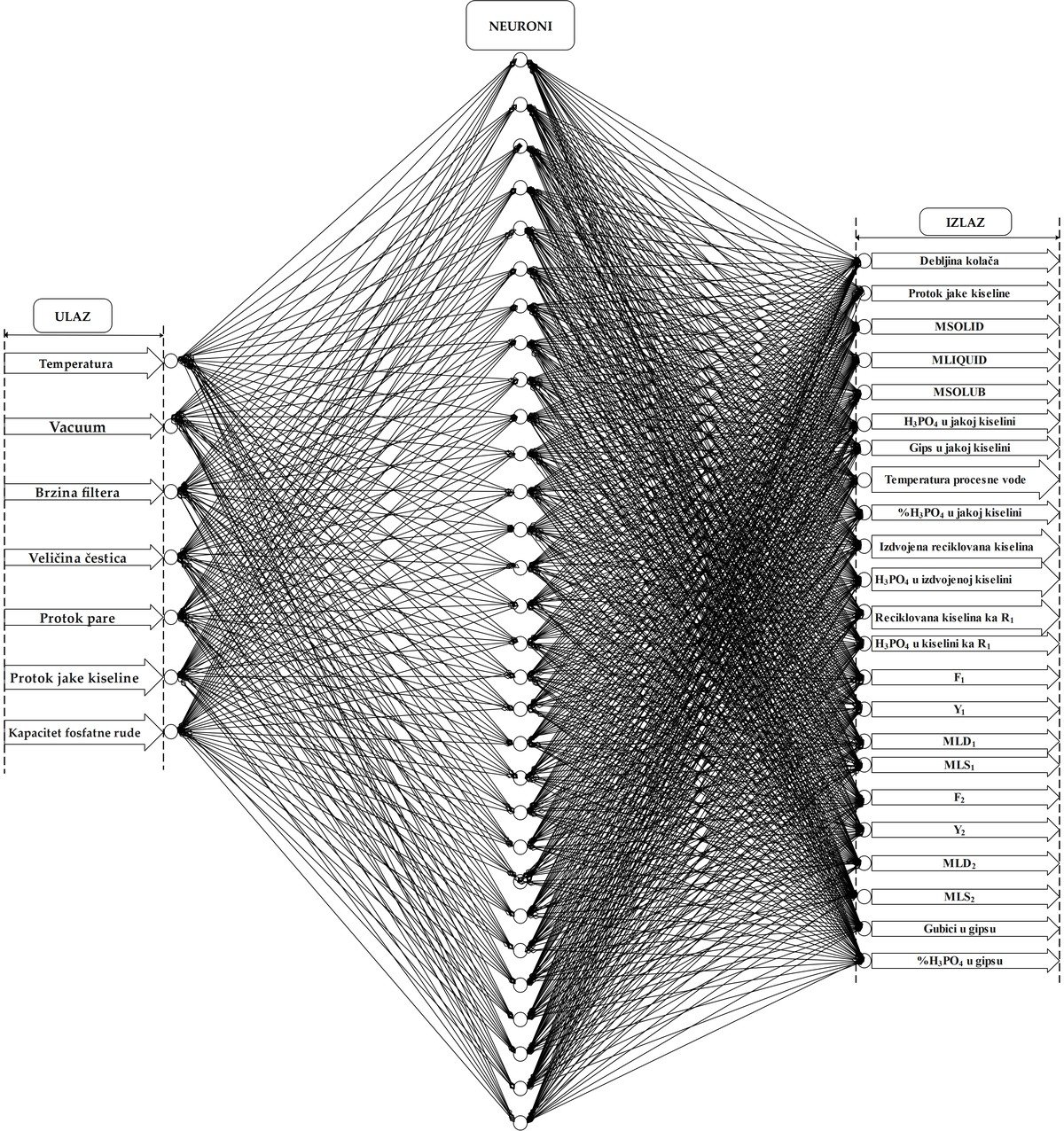
📌 Artificial Neural Networks (ANN)
– Trained predictive models on large datasets (simulation + plant data) to capture nonlinear process behavior.
📌 SolidWorks & CFD Simulations
– Designed and modeled production vessels and mixing equipment in SolidWorks.
– Performed CFD simulations to analyze flow dynamics, improve mixing efficiency, and support technology transfer across different production lines.
📌 Genetic Algorithms (GA)
– Applied optimization techniques to minimize energy consumption and raw material usage, while maximizing yield.
Result
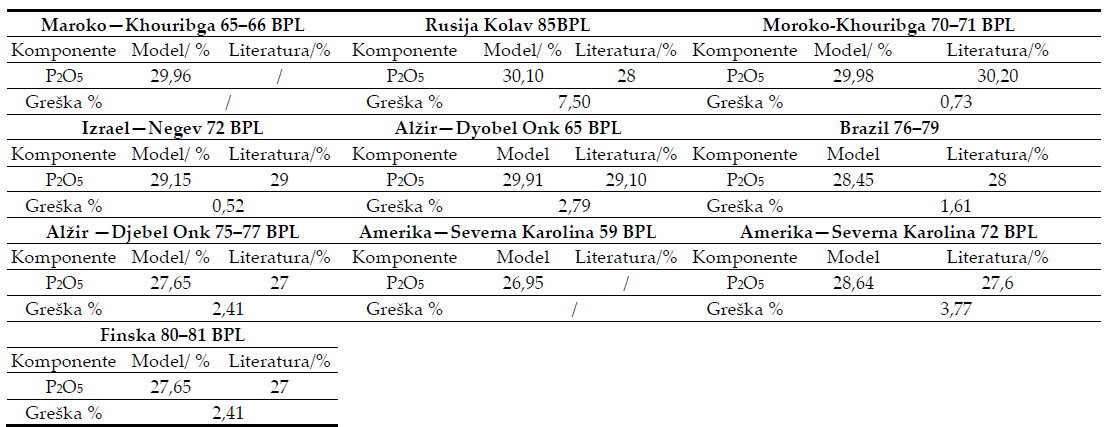
📊 Improved Accuracy – The integration of hybrid ANN + Aspen models delivered prediction errors consistently below 3% compared to real industrial data. This high level of accuracy provided engineers with a reliable digital twin of the process, enabling confident decision-making and faster evaluation of alternative scenarios.
💰 Cost Reduction – Optimization through Genetic Algorithms reduced raw material consumption by 15% and achieved 12% energy savings. These improvements translated directly into measurable financial savings, lowering operational expenditures while supporting sustainability goals.
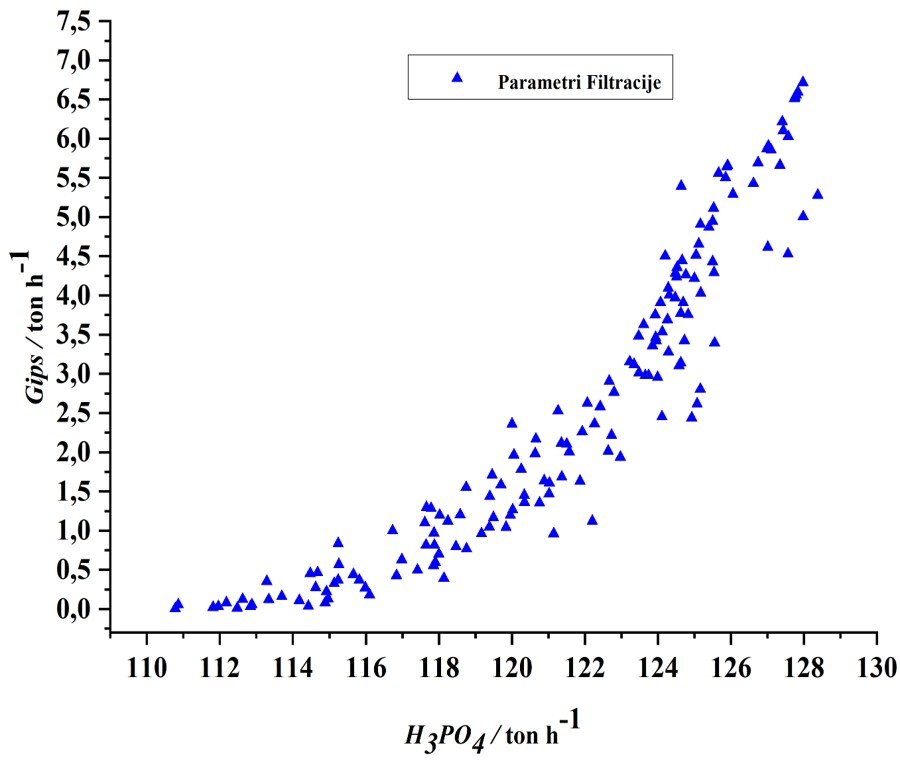
⚙️ Process Efficiency – Advanced simulation of crystallization and filtration units identified robust operating windows that boosted production capacity by 8–10%. This not only increased throughput but also enhanced overall process stability, reducing variability and minimizing downtime.
✅ Validation & Compliance – All results were verified against industrial-scale operations, confirming accuracy under GMP conditions and ensuring reliability for future scale-up. The validated models also reinforced regulatory compliance, making the approach directly applicable in highly regulated industries such as pharmaceuticals and clean-tech.
📈 Business Impact – Enhanced technology transfer efficiency, reduced scale-up risks, and shortened time-to-market while maintaining compliance and process robustness.
“Our integrated simulation and optimization approach provided actionable insights that translated directly into measurable cost savings and higher production yield. By combining advanced process modeling with rigorous optimization algorithms, we were able to identify operational inefficiencies, streamline material and energy flows, and optimize key unit operations. This holistic methodology not only reduced overall production costs but also enhanced throughput and product quality, demonstrating the tangible benefits of data-driven engineering solutions.”